
Kyiv Arbitration Days: Event Highlights
On 19 December, the Ukrainian Bar Association hosted the international conference Kyiv Arbitration Days: Think Big!, one of the premier platforms for discussing contemporary trends in international arbitration. This year’s agenda covered a number of strategically important topics, including the impact of artificial intelligence on arbitral proceedings, geopolitical challenges and sanctions regimes, the restoration of justice in post-conflict settings, and the emergence of new types of disputes amid the global energy transition.
The speaker lineup featured prominent arbitrators, academics, legal practitioners, and representatives of state institutions from Austria, the United States, France, the United Kingdom, Germany, Ukraine, and other countries.
Opening the 14th Kyiv Arbitration Days conference, President of the Ukrainian Bar Association, Mr. Mykola Stetsenko, welcomed participants and underlined that, despite the ongoing challenges facing Ukraine, this event continues to serve as an essential international forum for dialogue on the most pressing issues in international arbitration. He emphasized the conference’s role in fostering expert discussion on the development of arbitration in Ukraine, particularly in the context of European integration, legal reform, and economic recovery.
At the beginning of his address, Mr. Stetsenko expressed deep respect and gratitude to the Armed Forces of Ukraine and to the legal professionals who are currently defending the country on the frontlines. He reaffirmed the Association’s unwavering support for those who stand in defense of the nation and honored the memory of the fallen.
He also extended his appreciation to all those involved in organizing the event, making special mention of Ms. Iryna Nazarova, Managing Partner of ENGARDE Attorneys at Law, who has been the initiator and programme coordinator of Kyiv Arbitration Days since its inception. Mr. Stetsenko also thanked the ENGARDE team for their invaluable support in bringing the conference to life.
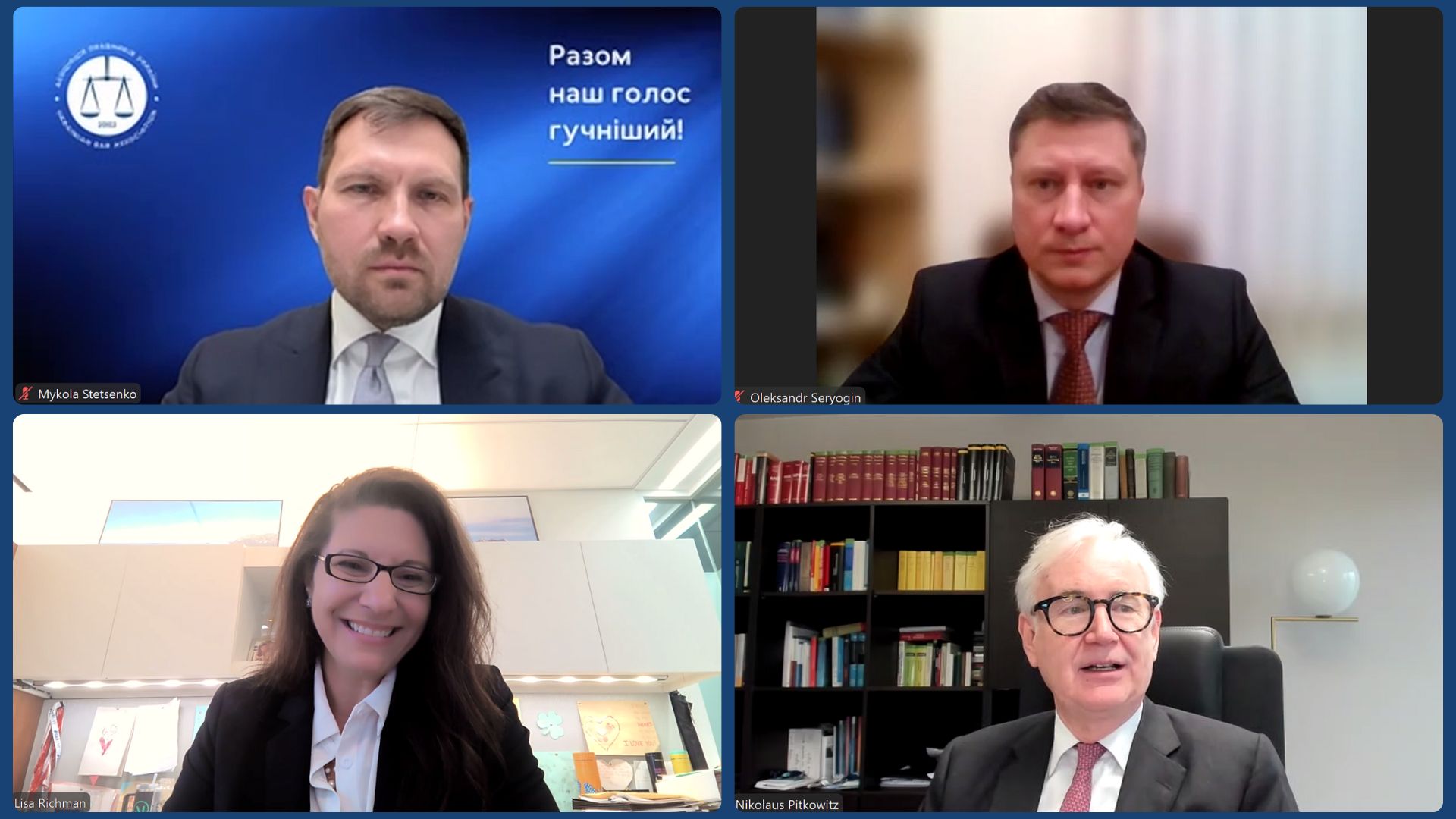
Ms. Lisa Richman, Partner at McDermott Will & Emery (Washington, D.C., USA), also addressed the audience. She emphasized that Kyiv Arbitration Days continue to serve as a professional forum for practitioners, academics, arbitrators, and dispute resolution specialists. According to Ms. Richman, this year’s agenda is particularly timely in light of arbitration’s adaptation to technological challenges, geopolitical instability, changes in security dynamics, and new models of dispute financing. She noted that issues such as artificial intelligence, geopolitics, and energy transformations have a direct impact on arbitral practice and will shape its future. She invited participants to engage in a meaningful and substantive discussion throughout the conference. Additionally, Ms. Richman highlighted the importance of the psychological dimension in the context of AI use—particularly the influence of technology on decision-making processes.
Dr. Oleksandr Serhiogin, Deputy Head of the Secretariat of the High Council of Justice of Ukraine and Associate Professor at the Department of Private International Law at the Institute of International Relations, Taras Shevchenko National University of Kyiv, noted that year after year the conference strengthens its reputation as a platform for the exchange of ideas that influence the development of arbitration not only in Ukraine but internationally. He emphasized that Kyiv has historically served as a place of dialogue between legal traditions, approaches, and cultures. Dr. Serhiogin also stressed the relevance of this year’s Kyiv Arbitration Days theme, which, in his view, prompts a rethinking of established practices, encourages moving beyond traditional approaches, and inspires the search for bold, innovative solutions in the face of today’s challenges.
International Arbitration and Artificial Intelligence
The key challenges and opportunities arising from the development of artificial intelligence in international arbitration were discussed during the first session of the conference. The discussion was moderated by Dr. Nikolaus Pitkowitz, President of the Vienna International Arbitral Centre and Founding Partner and Head of Dispute Resolution at Pitkowitz & Partners (Vienna, Austria).
According to Dr. Pitkowitz, today’s discussion invites participants to view AI not only through the lens of regulation but also from the perspective of the human factor—psychology and decision-making.
“Our goal is not only to identify risks, but to propose both practical and principled approaches for coexistence with technology. How do we arbitrate in interaction with AI—and how does that change our understanding of fair proceedings?” the moderator concluded.
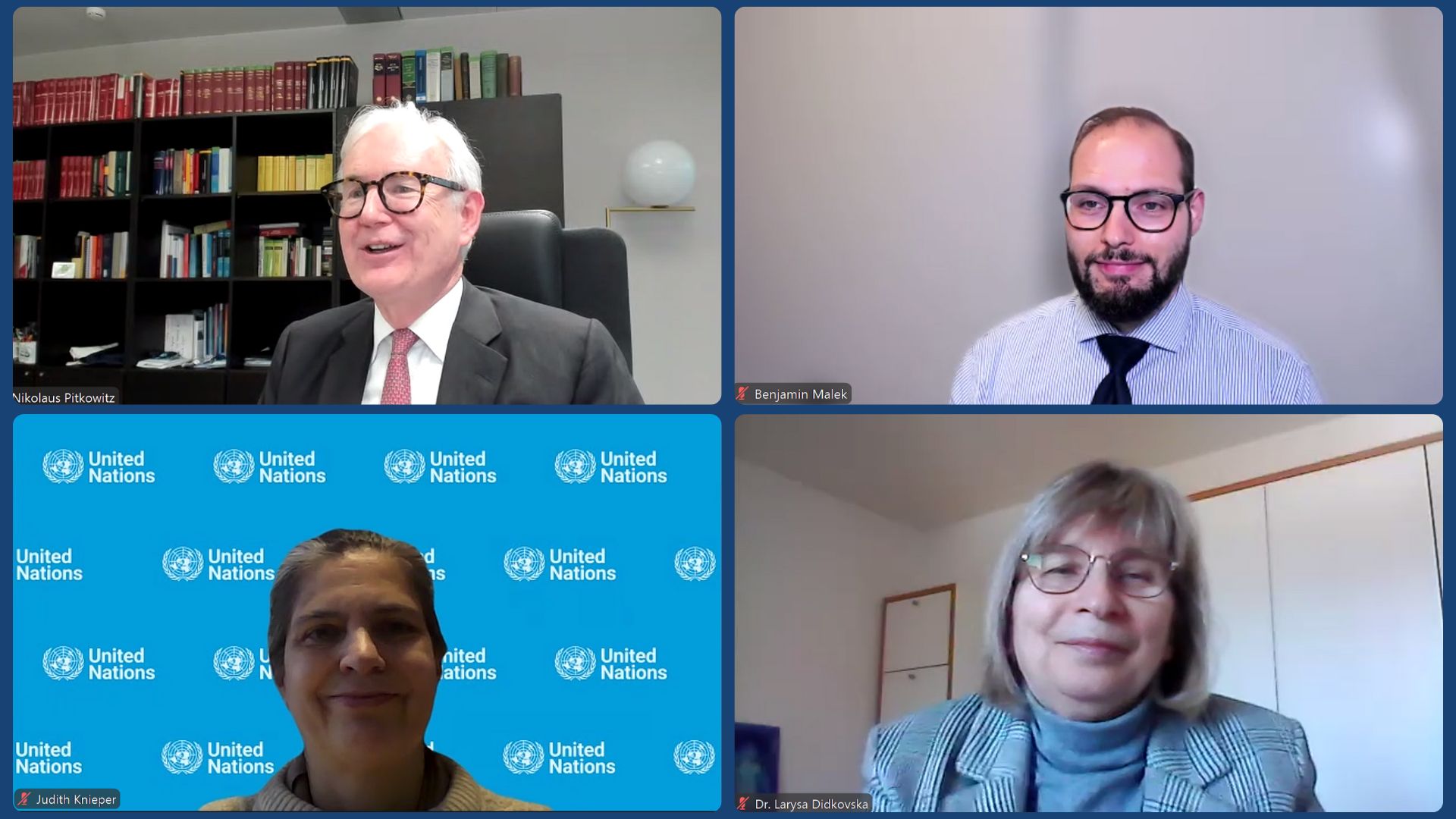
As part of the first session, a keynote presentation was delivered by Dr. Larysa Didkovska—psychologist, professor, Rector of the Ukrainian Free University (Munich), and President of the Ukrainian Gestalt Therapy Association. In her remarks, Dr. Didkovska focused on the psychological aspects of artificial intelligence and its impact on decision-making processes. She noted that AI is evolving amid deep changes in human perception, cognition, and emotional response, evoking not only curiosity but also anxiety, especially when technology influences decisions that are not fully conscious or controlled by individuals.
Dr. Didkovska emphasized that AI is gradually shifting the human role in decision-making. While technology traditionally played a supporting role, AI increasingly acts as a co-decision-maker, thereby altering how responsibility for outcomes is perceived. She highlighted the importance of dual evaluation—where a professional not only makes decisions but also critically assesses the algorithm-generated recommendations, scrutinizing both the content and the source of the information.
She also addressed the long-term cognitive implications of regularly relying on artificial intelligence. Frequent delegation of thinking to algorithms, she noted, can diminish critical thinking and reduce the willingness to take responsibility for decisions. Dr. Didkovska outlined psychological phenomena such as overreliance on automated solutions or, conversely, their outright rejection, stressing the need for a balanced approach—where human judgment and active engagement remain central in decision-making.
Judith Knieper, Secretary of UNCITRAL Working Group II (Vienna, Austria), focused on the challenges dispute resolution systems face in the context of digital transformation and the rise of AI. Ms. Knieper underscored the risk of intellectual passivity in the face of growing technological influence and emphasized the need for an active, critical approach to the use of technology in arbitration practice.
Speaking about UNCITRAL's mandate, she reminded that dispute resolution has been at the core of the Commission’s work since its founding in 1966. UNCITRAL has developed legal frameworks for both arbitration and mediation and is now exploring how digital transformation is reshaping dispute resolution mechanisms. Since 2021, the Secretariat has been tasked with studying how arbitration is being transformed by digitalization and the advent of artificial intelligence.
Ms. Knieper also presented an overview of UNCITRAL’s practical work in this domain. She mentioned that recent sessions included documents on the digital economy and dispute resolution, remote hearings, online mediation, and the integration of AI and online arbitration. While AI was initially viewed as a potential tool, it is now becoming a reality in dispute resolution. UNCITRAL’s core mission, she noted, is to systematically assess these developments, identify benefits and risks, and engage the professional community through open access to its working documents.
Benjamin Malek, FCIArb and Chartered Arbitrator (New York, USA), focused his presentation on the relationship between AI developments and the core principles of international arbitration. He stressed that technological progress does not alter the foundational requirement: the arbitrator must personally exercise judgment. Across all legal systems he has worked with, this principle is paramount—delegating decision-making authority undermines the very nature of arbitration.
Mr. Malek pointed out that AI does not introduce new ethical standards but instead brings renewed urgency to ensuring proper application of existing ones. Drawing a parallel with past use of tribunal assistants and secretaries, he emphasized that their role was never problematic—so long as the arbitrator's independence and responsibility for the award remained intact. He cited jurisprudence such as the New Crossroads case, where the key issue was not the use of support but the risk of diluting the arbitrator's adjudicative function.
He also elaborated on his work on the Guiding Principles on the Use of Artificial Intelligence in Arbitration, developed by the Silicon Valley Arbitration and Mediation Center. These principles, he explained, are designed to outline permissible uses of AI for research and analysis, while making clear that judicial functions must never be delegated. Technology may serve as a helpful tool—but ultimate responsibility must remain with the human arbitrator.
The conference’s keynote address was delivered by Gary Born—renowned legal scholar, Honorary Professor of Law, and Chair of the International Arbitration Practice Group at Wilmer Cutler Pickering Hale and Dorr LLP. In his speech entitled “International Arbitration: Past, Present, and Future,” Mr. Born began with a historical overview of arbitration’s roots, emphasizing that it is a mechanism with millennia-old traditions, not a product of modern legal systems. He cited examples from ancient Mesopotamia, including artifacts documenting the resolution of border and water disputes through arbitration without state intervention—highlighting that arbitration historically evolved as a non-judicial method of peaceful dispute resolution.

Mr. Gary Born also focused on arbitration practices in Ancient Greece, where arbitration was used both for inter-state and private disputes. He cited examples of agreements between Greek city-states (poleis) that provided for arbitration as a means of resolving conflicts instead of resorting to war. He also referred to ancient sources documenting the use of arbitration in everyday and family matters. According to Mr. Born, arbitration during this period had a universal character and was employed across various spheres of social life, illustrating its deep integration into both legal and societal culture.
He went on to discuss the development of arbitration during the Middle Ages and its diffusion across different regions and legal traditions. Mr. Born provided examples of commercial contracts that already included arbitration panels with co-arbitrators and a neutral presiding arbitrator—a structure still common in modern practice. He highlighted the role of arbitration in African, Latin American, Jewish, and Islamic communities, where it served as a primary mechanism of dispute resolution and safeguarded communal autonomy. Mr. Born also discussed the tradition of lex mercatoria, emphasizing that private commercial communities, long before the advent of modern state institutions, developed their own systems of dispute resolution centered around arbitration.
International Arbitration, Geopolitical Instability, and Sanctions
The second session of the conference—focusing on international arbitration amid geopolitical instability and sanctions—was moderated by Markiyan Malskyy, Managing Partner at Arzinger (Kyiv, Ukraine) and Chair of the UBA’s Alternative Dispute Resolution Committee.
Opening the session, Mr. Malskyy outlined the core topics of discussion: the lessons learned from the Ukraine–Russia conflict, particularly the role of arbitration claims against the Russian Federation in influencing the dynamics of the conflict and applying financial pressure. He also addressed the challenges of force majeure in wartime and the specific issues related to arbitration proceedings conducted under sanctions regimes.
Tetiana Bersheda, an independent arbitrator and legal adviser (Switzerland and the United Kingdom), focused her presentation on the role of international arbitration in Ukraine’s legal strategy against the Russian Federation. Ms. Bersheda noted that since 2014, Ukraine has consistently relied on international legal mechanisms as part of a broader “rule of law warfare” approach, and that this strategy became particularly significant following the full-scale invasion on 24 February 2022. She highlighted that both Ukrainian private investors and the state—via state-owned enterprises—have initiated numerous arbitration proceedings against the Russian Federation under the 1998 Bilateral Investment Treaty (BIT) between Ukraine and Russia.
Explaining the legal basis for these claims, Ms. Bersheda referred to key BIT provisions, including national treatment, most-favored-nation (MFN) treatment, protection against expropriation, and the guarantee of fair and equitable treatment. She stated that dozens of arbitrations have been brought by Ukrainian companies seeking multibillion-dollar compensation for losses resulting from the occupation of Crimea. Ms. Bersheda also detailed the procedural aspects of such disputes, including the six-month period required for amicable settlement efforts following notice of a claim, after which arbitration may be commenced if no resolution is reached. She stressed that although the treaty was denounced by the Russian Federation in 2025, Ukraine retains the right to initiate claims during the ten-year sunset period, which extends until 2035.
A dedicated part of her presentation addressed the enforcement of arbitral awards and the challenge of state immunity, which Russia frequently invokes to evade liability. She emphasized that securing compensation is often a lengthy and complex process; however, international practice affirms the jurisdiction of arbitral tribunals in such cases. She referred in particular to the 2019 decision of the Swiss Federal Supreme Court in Naftogaz v. Russia, which recognized arbitral jurisdiction. Ms. Bersheda also cited examples of successful enforcement proceedings in the Netherlands and highlighted the growing number of investment claims being brought against Russia by investors from other countries, including Germany, Finland, and the United Kingdom—developments that, in her view, reflect an expanding international legal response to Russian aggression.
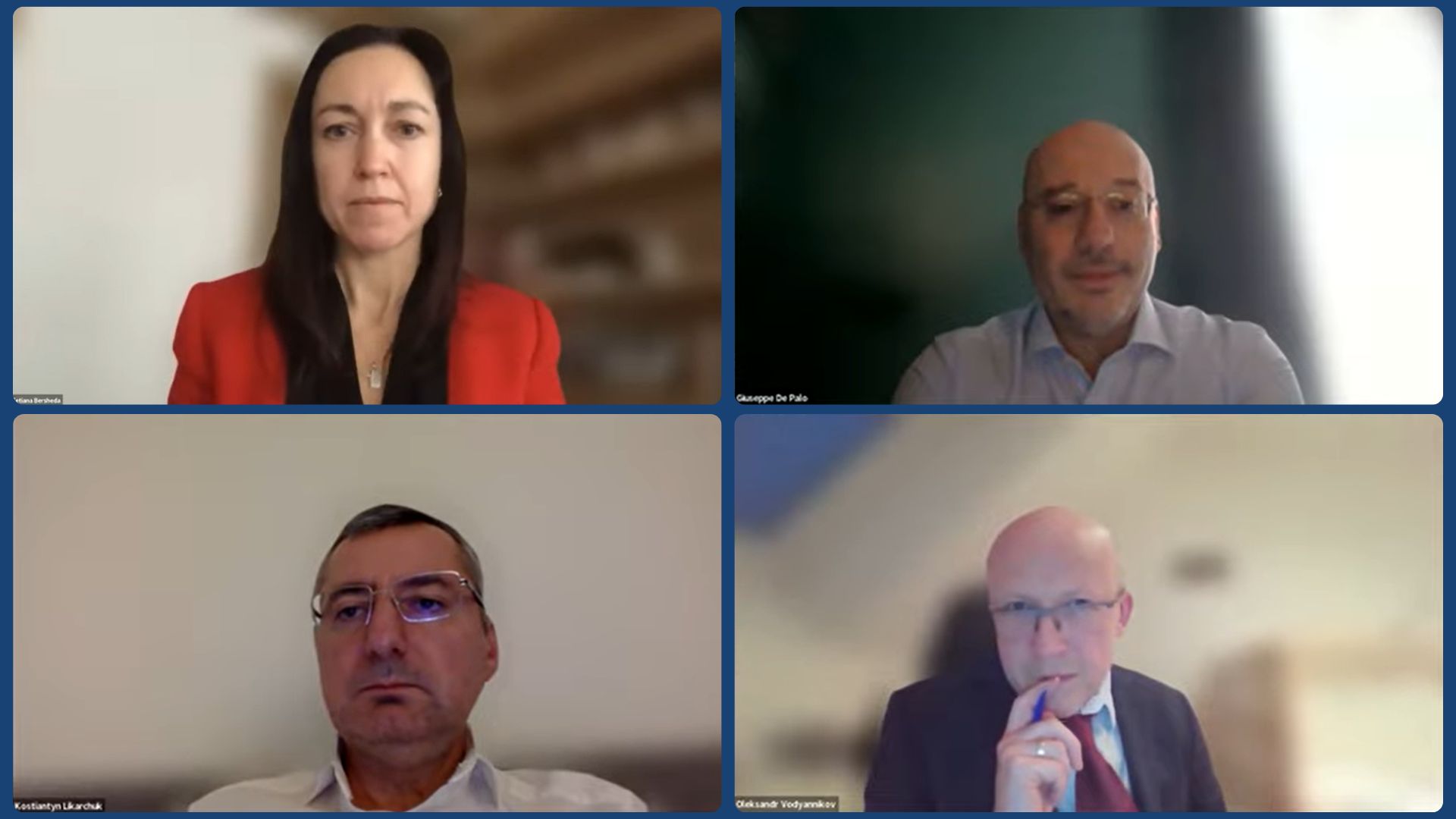
Kostiantyn Likarchuk, Senior Partner at AVELLUM and Co-Head of the Dispute Resolution Practice (Kyiv, Ukraine), focused on the lessons learned by the international legal community from Russia’s war against Ukraine and offered his reflections on the effectiveness of the current system of international justice. Mr. Likarchuk noted that the full-scale aggression has revealed deep structural flaws in public international law, particularly with regard to holding an aggressor state accountable.
He devoted particular attention to the issue of sovereign immunity, which, he argued, significantly impedes the ability to ensure Russia’s responsibility for violations of international law. In times of war, this principle requires reconsideration, and national courts in various jurisdictions must take a more proactive role in addressing the legal challenges posed by armed aggression. Mr. Likarchuk also discussed efforts to identify assets linked to Russia that could potentially be subject to enforcement, highlighting not only state-owned assets but also those belonging to state enterprises and corporations.
Additionally, Mr. Likarchuk addressed ongoing debates in European jurisdictions regarding the use of frozen Russian assets to compensate Ukraine and its citizens for war-related damages. He noted that while this remains a complex and sensitive issue within the traditional framework of sovereign immunity, legal progress in this direction is already underway. He emphasized the importance of applying broader international legal mechanisms for holding states accountable for serious international crimes, arguing that the responsibility of Russia and related assets must be addressed comprehensively in the context of its aggression against Ukraine.
Oleksandr Vodyanykov, Judge of the Constitutional Court of Ukraine (Kyiv), discussed the application of force majeure and constitutional doctrines during wartime. He particularly focused on the difficulty of reconciling private law approaches with the public law realities of armed conflict, which creates legal uncertainty in matters of war-related compensation. Judge Vodyanykov noted that international humanitarian law permits damage to public property during war, and the existing international compensation mechanisms—voluntary agreements, administrative procedures by UN Security Council decisions, or ad hoc bodies—face substantial limitations in the context of Russia’s aggression against Ukraine.
He also examined the concept of force majeure in wartime, stressing that conventional contractual approaches do not always adequately reflect the nature of war. He explained that war as a force majeure event has unique characteristics—it transcends private legal relationships and is fundamentally linked to public authority and exceptional legal regimes. Judge Vodyanykov drew attention to the varying legal frameworks in place depending on the territory: from zones of active hostilities, where regular legal processes are inoperative, to regions governed under martial law or emergency restrictions.
Moreover, Judge Vodyanykov underscored that even amid armed conflict, constitutional democracy and the Constitution of Ukraine remain in force. He emphasized that public authorities cannot abdicate their responsibilities without meeting the constitutional requirements of accountability, proportionality, and legitimacy. Protection of property rights and legitimate expectations, he added, must be preserved during wartime, though such rights may be restricted when justified by the protection of vital state interests, national security, and territorial integrity.
Giuseppe De Palo, international arbitrator and mediator at JAMS (New York, USA), explored how arbitration operates in a sanctions-driven environment. His remarks focused on how geopolitics and multilayered sanctions regimes directly impact commercial relationships and arbitral proceedings. He illustrated this with a hypothetical case involving a global energy contract subject to overlapping U.S. sanctions, EU blocking regulations, and national requirements from other jurisdictions—creating conflicts of law and obstructing contract enforcement.
Mr. De Palo emphasized that sanctions are no longer a peripheral issue in international disputes; they now shape arbitration at every stage—from contract formation to award enforcement. While arbitral tribunals may be constituted, hearings conducted, and awards rendered even when sanctioned parties are involved, he noted that the real difficulties arise during enforcement. Sanctions regimes often require special regulatory licenses, resulting in prolonged delays where legal rights exist but their realization is hindered by economic restrictions.
He also touched on the growing role of public policy in sanctions-related disputes, particularly in European jurisdictions, as well as China’s distinctive approaches, including anti-foreign judicial injunctions. Mr. De Palo outlined the practical implications for contracting parties, such as the need to clearly document grounds for termination, demonstrate due diligence in complying with sanctions, and anticipate risks through contractual provisions. He stressed the importance of modernizing contracts with sanctions clauses and alternative payment mechanisms to better manage sanctions risks in arbitration.
Arbitration and Its Alternatives in Post-War Justice Reconstruction
Markiyan Kliuchkovskyi, Executive Director of the Register of Damage Caused by the Aggression of the Russian Federation against Ukraine (Kyiv, Ukraine), delivered a special presentation on the use of arbitration and its alternatives in the context of post-war justice reconstruction. He focused on the mandate of the Register and its role in shaping a future compensation mechanism for Ukraine. Mr. Kliuchkovskyi explained that the Register's mission is to bring justice closer by creating a systematic approach to redress for harm caused by aggression. He framed his presentation around the search for an appropriate combination of arbitral thinking and alternative instruments in the post-war context.
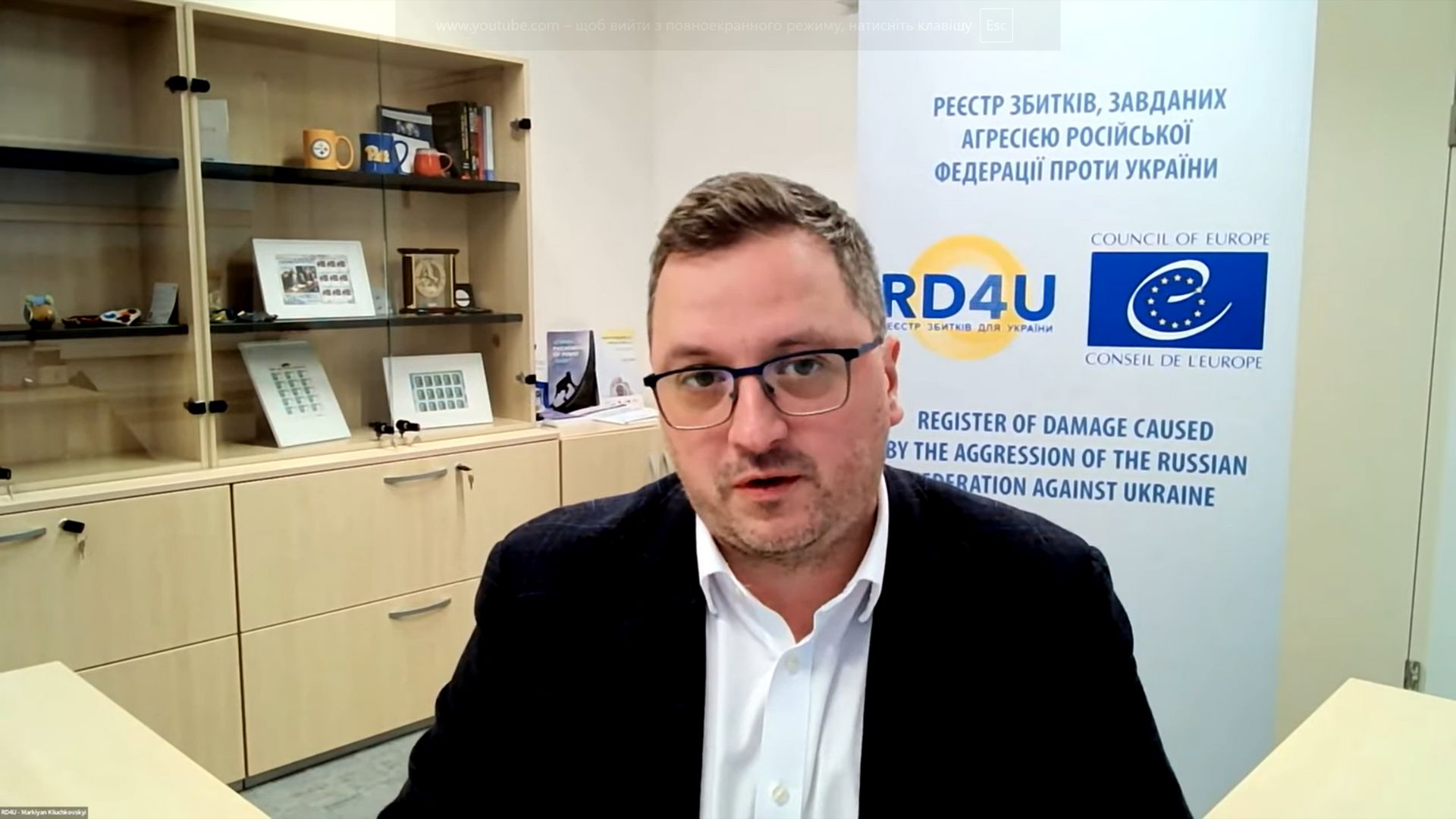
Speaking to the scale of the issue, Markiyan Kliuchkovskyi highlighted the unprecedented number of affected individuals and the diversity of claims arising from the war. According to him, millions of potential claimants—including individuals, businesses, local governments, and state institutions—have suffered damage to housing, infrastructure, property, life and health, and have lost income and livelihoods. He noted that the sheer volume and diversity of claims make classical arbitration unsuitable as a universal compensation mechanism, particularly due to the absence of consent between parties and the lack of a suitable traditional jurisdictional basis.
Mr. Kliuchkovskyi also addressed the limitations of existing legal remedies, including national courts, the European Court of Human Rights, and investment arbitration. He pointed to enforcement challenges, the limited jurisdiction of certain institutions, evidentiary difficulties, and the systemic barrier posed by sovereign immunity, which can obstruct proceedings at multiple stages. In this context, he emphasized that while arbitration is not capable of addressing the entire scope of war-related damage, arbitral thinking is essential to designing a unified, effective, and procedurally sound compensation mechanism for Ukraine.
The New Wave of Energy Transitions and International Disputes
The third session focused on the new wave of energy transitions and the international disputes arising from changes in national energy policies. Central to the discussion were disputes related to the phase-out of fossil fuels, reduction or revision of state incentives for renewable energy, decommissioning of energy facilities, regulatory and permitting constraints, and cross-border infrastructure projects.

“As we know well from previous large-scale changes in the energy sector, the energy transition not only transforms markets—it inevitably generates disputes. And today, as we continue to advance the energy transition, we are entering yet another, equally turbulent phase.
States are revisiting and cutting back previously granted incentives. Large infrastructure projects face increasingly complex international regulatory requirements. Nuclear energy is experiencing something of a renaissance. Wind and solar energy projects are encountering significant challenges.
All of this creates a perfect environment for new, complex, and multi-dimensional international disputes to emerge,” stated discussion moderator Ena Sefo, Counsel at McDermott Will & Schulte (Washington, D.C., USA).
Responding to Ms. Sefo’s question on what fundamentally differentiates the current energy transformation from past transitions, Alaina Tria, Director at BRG (Washington, D.C., USA), emphasized the scale and time frame of the changes over the past decade. She referenced global investment trends, noting that in 2015, fossil fuel investments still exceeded those in clean energy, whereas by 2019, the situation had reversed. In 2025, investments in clean energy, technologies, and infrastructure reached approximately USD 2.2 trillion—about twice the level of fossil fuel investments. According to Ms. Tria, this shift has been driven by increased clean energy investment, heightened awareness of anthropogenic climate change and its consequences, and strong political support for decarbonization.
In direct response to the question, Ms. Tria outlined three features that make the current energy transition qualitatively different from earlier ones. First, is the pace—while historical energy transitions occurred over decades or even centuries, today’s shift is unfolding within just one to two decades. Second, she highlighted the scale and complexity of the process, which affects not just individual energy sources, but all sectors of the economy—from power generation and transportation to industry and heating. Third, Ms. Tria underscored the social and geopolitical dimensions of the transition, stressing that energy security, economic stability, and geopolitical factors are now deeply intertwined and increasingly difficult to analyze in isolation.

Continuing the discussion on the technological dimension of the energy transition, the moderator turned to Julie M. Carey, Senior Managing Director at NERA (Washington, D.C., USA), with a question about how technological shifts are shaping international disputes at this stage of the transformation. Julie Carey noted that the current dynamics are a direct result of the investments and innovations of the past decade, which have significantly expanded the range of available technological solutions and accelerated the shift in the energy balance. At the same time, this has led to the emergence of a large number of new and still immature technologies, creating a level of uncertainty that markets and investors have not previously encountered.
According to her, the development of areas such as battery storage systems, carbon capture and storage, hydrogen, as well as the growing role of nuclear energy and natural gas amidst a sharp increase in demand from artificial intelligence, makes it more difficult to predict asset lifecycles and project economics. Julie Carey emphasized that not all technologies will succeed, and some projects will not achieve their expected profitability—conditions that pave the way for disputes. In such an environment, the complex analytical process of establishing causality, allocating risks and responsibilities, and sound contractual structuring with future scenarios in mind becomes critical.
During a lightning round discussion, moderator Ena Sefo invited the panelists to share their thoughts on which energy resources or directions might become sources of new international disputes in the near future. The discussion revealed a shared understanding that the current stage of the energy transition generates risks not in isolated niches, but across almost the entire energy chain.
Speaking to the general nature of these risks, Julie M. Carey pointed out that under conditions of high technological and market uncertainty, the potential for disputes exists in virtually every segment of the energy sector. In her view, risks are not concentrated in any one resource or technology but arise broadly as a result of rapid changes, varying maturity levels of technologies, and a complex regulatory environment.
Meanwhile, Sofia von Dewall, Partner at Vanguard International Dispute Resolution (Paris, France), steered the discussion toward the political dimension of the energy transition, raising the issue of how shifts in government policy impact investors. Specifically, she addressed the potential consequences of reducing or revising support for renewable energy and questioned how such political shifts might affect the fulfillment of previously declared goals and the stability of investment expectations. This comment provided a broader context for the discussion on the interconnection between state policy and investment disputes.
Building on this theme, Tyson Campbell, Partner at K&L Gates (Washington, D.C., USA), focused on regulatory uncertainty in the United States, drawing attention to intensified deregulation following a change in administration. He noted that these trends are especially visible in the nuclear energy sector, where the regulatory framework is being revised rapidly and with less transparency. According to him, while legal disputes have not yet materialized, the conditions for them are already forming, as many projects are in a state of limbo and the new rules remain unsettled.
For her part, Alaina Tria highlighted the experience of investment arbitration outside the U.S., recalling numerous disputes that arose from the cancellation or modification of state incentives for renewable energy in other jurisdictions. She emphasized that regulatory instability and policy unpredictability often become catalysts for investment disputes, regardless of the specific national support framework.
In summarizing the discussion, the participants also addressed the geographical scope of future energy arbitrations. It was noted that the next wave of disputes will span a wide range of regions—from next-generation nuclear projects to disputes related to the early decommissioning of outdated assets, the development of hydrogen energy, and access to critical minerals. The panelists agreed that where transformations are happening most rapidly and at the largest scale, the risk of legal conflicts in the coming years will be the highest.
The international conference “Kyiv Arbitration Days: Think Global!” once again confirmed its role as a platform for deep, professional, and interdisciplinary dialogue on the future of international arbitration amid rapid technological, geopolitical, and economic changes. The discussions demonstrated that modern arbitration increasingly intersects with issues such as artificial intelligence, sanctions, armed conflicts, post-war compensation, and the energy transition. Effective responses to these challenges require not only legal tools but also strategic thinking, cross-jurisdictional experience, and openness to new approaches. This comprehensive perspective, presented during the conference, forms the foundation for the further development of arbitration practice in Ukraine and its integration into the global legal context.
The Ukrainian Bar Association extends its sincere gratitude to ENGARDE Attorneys at Law, whose support made this event possible.